Warning: Trying to access array offset on false in /home/466973.cloudwaysapps.com/mjwqfrwdeq/public_html/wp-content/plugins/elementor-pro/modules/dynamic-tags/tags/post-featured-image.php on line 39

Warning: Trying to access array offset on false in /home/466973.cloudwaysapps.com/mjwqfrwdeq/public_html/wp-content/plugins/elementor-pro/modules/dynamic-tags/tags/post-featured-image.php on line 39

Warning: Trying to access array offset on false in /home/466973.cloudwaysapps.com/mjwqfrwdeq/public_html/wp-content/plugins/elementor-pro/modules/dynamic-tags/tags/post-featured-image.php on line 39

Warning: Trying to access array offset on false in /home/466973.cloudwaysapps.com/mjwqfrwdeq/public_html/wp-content/plugins/elementor-pro/modules/dynamic-tags/tags/post-featured-image.php on line 39
Everyone Deserves Great Stories! – David Farland | Proven Writing Tips

Everyone Deserves Great Stories!


Warning: Trying to access array offset on false in /home/466973.cloudwaysapps.com/mjwqfrwdeq/public_html/wp-content/plugins/elementor-pro/modules/dynamic-tags/tags/post-featured-image.php on line 39

Years ago I watched a panel on literary criticism. Just as the panel was concluding, one . . . fellow stopped the panel and said, “Wait a minute. We didn’t talk about which branch of literary criticism is most important!”

He then pointed out that his field—literary criticism in the adult mainstream, was by far the most important. After all, it was only adults who really had the depth of thought and analytic ability needed to comprehend and appreciate the arts. In that moment, I didn’t know what branch of literary criticism was most important, but I was pretty sure who the most pompous critic at the table was.

The other panelists, all women, stared at him dumbfounded, and I thought that they would just walk away, but one of them said, “Wait a minute! In my branch of literary criticism, children’s literature, we’re talking about the literature that will shape the rising generation, create a better world. Nothing is more important than that!” And so the fight began.

I thought about that for days. I don’t believe that any one branch of literature is more important than another. They’re all equally important to those who love them. Even if we have horror fans talking about the latest horror films, it is important to them. Something in that genre feeds the souls of those fans.

Because of this, I have a saying: “Everyone deserves great stories.” Children, adults, women, men, gays, straights, black, white, yellow, and of whatever race or political persuasion they might be of. Every single person deserves great stories!

As an author, it is incumbent on you to provide your reader with your very best, to write stories that will delight them, educate them, and maybe even change their lives.

I sometimes hear writers poo-pooing their own work. I heard a writer try to deflect commentary on his children’s picture book by saying, “It’s just a kid’s book.” I once heard a science fiction author say, “I don’t really give a crap about the Star Wars books I wrote. The Star Wars fans are all twits.”

I never take that stance with anything. I recall writing a little Star Wars novel years ago, thinking that it felt . . . somehow less important than my other work in the field. But a few years later I did a book signing, and a young teen brought a copy of the book that was so heavily used, it had duct tape holding it together, covering every surface. His father told me, “He reads that book every day, whenever he has a free moment.”

So I asked the young man why. He said, “When, I was a kid, my mom was killed in a car wreck, and I became very sad. Then for Christmas a little over a year later, my dad gave me this book, and I read it over and over again. I couldn’t figure out why. Then one day, I realized that reading it made me happy. So I always keep it handy.”

He’d been reading it for more than five years. I’ve heard similar stories from fans of my other books. In fact, it seems that I never write a book without hearing a few stories like that.

So I always try to keep those readers in mind with every story that I write. No book should be unimportant to those who read it.

We never know what terminal illnesses our fans face, what suffering they might be going through, and so we owe it to our readers to give them the very best that we have to offer.

Odds N Evens

Gabriel Troia has a Kickstarter going on to get funding for his comic book Odds N Evens.

The project will only be funded if it reaches its goal.

Odds N Evens is an origin story of four superhero kids created by 12-year-old Gabriel Troia. Gabriel started this project at nine years old with encouragement from his father. After three years of hard work, they now have a full-color, complete digital format story. The next step is to get tangible copies to readers.

Help them reach their goal by following this link.

Of Mice and Magic

If you are interested in Of Mice and Magic, you can get a copy or learn more here.

More than anything, Benjamin Ravenspell wants a pet. But when he buys a mouse named Amber, he gets more than he bargained for. No sooner does Ben take her home, than Amber turns him into a mouse too. You see, Amber has magical abilities, and it so happens that Ben is a familiar—a creature that stores magical energy. Together they each form half of a powerful wizard. Alone, they’re just vermin. Soon Ben and Amber find themselves pitted in an epic battle against a magical enemy who is as crazed as he is evil—and the fate of the world will rest on them learning to work together.

***

Leave a Reply

Did you like this writing tip?
Click below to share with your friends

Related Posts
how to get a book published
David Farland

How to Get a Book Published 

Are you looking to publish a book? Let me tell you how to get it done.  Today, there are two paths to publishing: traditional publishing and self- (or independent) publishing.  

READ THIS POST
david farland jackie chan
David Farland

How to Build a Better Outline For Your Novel

You probably wouldn’t sink a million dollars into building a home without a blueprint. You certainly wouldn’t begin creating something as intricate as a cathedral without detailed plans. So why would you sink a year or two into composing a novel without plotting it?

READ THIS POST
how to write a short story
David Farland

How to Write a Short Story

As lead judge to the world’s largest competition for sci-fi and fantasy short fiction, David Farland can tell you exactly how to write a short story that’s a winner. The

READ THIS POST
how to write a book
David Farland

How to Write a Book

If you aren’t excited about a novel, chances are excellent that you’ll lack the energy to finish it. Your subconscious will rebel at the idea, and you’ll just go through the motions, wishing that you were working on another project. So you have to find story ideas that thrill you. You have to write from the heart.

READ THIS POST
How to write a book
David Farland

How to Write Your First Five Pages

How to Write Your First Five Pages:
1. From the very first sentence, I want to see that you’re not just a competent writer, but a skillful one.

I want to see that you have a way with words, so that I feel as if I’m in the hands of a professional storyteller. That means that I won’t feel confused, and I won’t get tripped up by typos or beginner’s mistakes. Indeed, I want to see that you’re talented right from the first sentence. Half of the editors and agents say that they look for a great voice right out the gate, whether it be the voice of the narrating character or of the author.

READ THIS POST
A colorful light bulb in front of interlocking red, yellow, and blue gears, symbolizing creativity and productivity working together.
Tammy Burke

Brainstorming for Stories: How to Turn Sparks into Worlds

Brainstorming is one of the most magical—and challenging—parts of being a writer. Ideas may arrive in a rush or drip in slowly, but either way, they form the first threads of story. The truth? Waiting for inspiration won’t always serve you. Instead, the key is to explore how to spark fresh ideas from familiar tropes, surprising “what ifs,” and creative collisions. Originality doesn’t mean inventing something brand new—it means putting your unique spin on timeless patterns so readers experience them as both familiar and exciting.

READ THIS POST
A figure in a bright red cloak walks across a black-and-white field toward a tree whose shadow stretches long across the ground. The word “Foreshadowing” appears in dark red letters to the right.
Tammy Burke

Foreshadowing in Writing:

Foreshadowing is the art of planting clues that make your story’s twists feel both surprising and inevitable. Learn the different types of foreshadowing, strategies for layering clues, and how to test your twist so it hits the perfect balance.

READ THIS POST
Stone statue of a robed woman, captured against a dramatic sunrise sky with soft orange and blue clouds, symbolizing inspiration and waiting.
Special Guest

Why Your Writing Muse Isn’t Your Friend

Too many writers wait for the writing muse to return, convinced that inspiration is the only way forward. But waiting keeps you stuck, staring at the page. The truth? Momentum is born not from longing, but from action. Start writing, and the muse may find you already at work.

READ THIS POST
No more posts to show

Wait, before you go… Be sure to grab a FREE copy of Dave's Proven Writer Tips for 100 Days!

Daily meditations Writer Tips for 100 days book image

Enter your name and email below to get it delivered straight to your inbox!

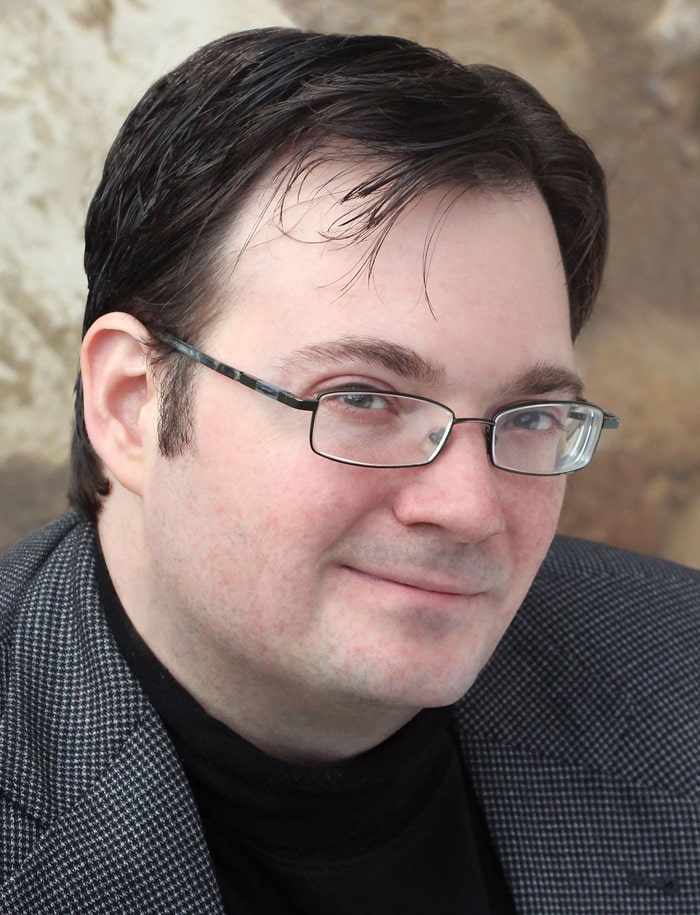
Brandon Sanderson
Brandon Sanderson#1 New York Times bestselling author of The Way of Kings and Mistborn
Read More
"I still use the writing techniques he discussed, and constantly reference him and his instruction when I teach creative writing myself. . . His explanations led me directly to getting an agent, and subsequently, my first book deal."