
How to Write a Novel: A 16-Step Guide

How to write a novel, from beginning to end in 16 steps. Brainstorm, develop a great character, create an antagonist, and more.
How to Write a Story: A Checklist for Writing Your Story

Use this checklist for writing your story, and you will write even stronger stories. David Farland was a best-selling author and contest judge for the world’s largest short story competition. When I used to write for competitions, I would make lists of ways that judges might look at my work in order to grade it. […]
How to Get a Book Published
Are you looking to publish a book? Let me tell you how to get it done. Today, there are two paths to publishing: traditional publishing and self- (or independent) publishing. Traditional publishing generally refers to an established publishing house, employing requisition editors, editors, copyeditors, a design team, marketers/promotion specialists and sales teams. The publishing house […]
How to Build a Better Outline For Your Novel
You probably wouldn’t sink a million dollars into building a home without a blueprint. You certainly wouldn’t begin creating something as intricate as a cathedral without detailed plans. So why would you sink a year or two into composing a novel without plotting it?
How to Write a Short Story
As lead judge to the world’s largest competition for sci-fi and fantasy short fiction, David Farland can tell you exactly how to write a short story that’s a winner. The key is to keep it short and powerful—but for authors who typically write novels, “short” is a dirty word. So how do you write a […]
How to Write a Book

If you aren’t excited about a novel, chances are excellent that you’ll lack the energy to finish it. Your subconscious will rebel at the idea, and you’ll just go through the motions, wishing that you were working on another project. So you have to find story ideas that thrill you. You have to write from the heart.
How to Write Your First Five Pages

How to Write Your First Five Pages:
1. From the very first sentence, I want to see that you’re not just a competent writer, but a skillful one.
I want to see that you have a way with words, so that I feel as if I’m in the hands of a professional storyteller. That means that I won’t feel confused, and I won’t get tripped up by typos or beginner’s mistakes. Indeed, I want to see that you’re talented right from the first sentence. Half of the editors and agents say that they look for a great voice right out the gate, whether it be the voice of the narrating character or of the author.
How to Make a Million Dollars with Your Writing
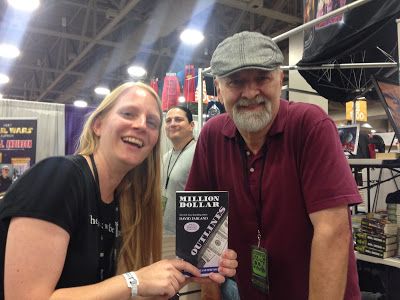
Million Dollar Outlines A couple weeks ago I had the opportunity to participate in IndieReCon, a free online writers’ conference for self-published authors. I did a Google Hangout with Ali (our first time ever, there was a steep learning curve!) and talked about my thoughts on how to write a bestselling novel that will make […]
Brainstorming for Stories: How to Turn Sparks into Worlds

Brainstorming is one of the most magical—and challenging—parts of being a writer. Ideas may arrive in a rush or drip in slowly, but either way, they form the first threads of story. The truth? Waiting for inspiration won’t always serve you. Instead, the key is to explore how to spark fresh ideas from familiar tropes, surprising “what ifs,” and creative collisions. Originality doesn’t mean inventing something brand new—it means putting your unique spin on timeless patterns so readers experience them as both familiar and exciting.
Foreshadowing in Writing:

Foreshadowing is the art of planting clues that make your story’s twists feel both surprising and inevitable. Learn the different types of foreshadowing, strategies for layering clues, and how to test your twist so it hits the perfect balance.
Why Your Writing Muse Isn’t Your Friend

Too many writers wait for the writing muse to return, convinced that inspiration is the only way forward. But waiting keeps you stuck, staring at the page. The truth? Momentum is born not from longing, but from action. Start writing, and the muse may find you already at work.
Writing with Subtext: Saying More by Saying Less

Subtext is the unspoken layer that turns good writing into unforgettable storytelling. Learn how to weave meaning beneath the surface of dialogue, body language, and setting — and avoid the common pitfalls that can make it disappear.
Mastering Pacing: How to Control Momentum Across Acts and Chapters

Pacing is the heartbeat of your story—it controls how your readers feel, how quickly they turn the page, and how deeply they connect with your characters. In this post, we’ll explore how to master both micro- and macro-pacing, balance fast and slow moments, and create a rhythm that keeps your audience hooked from the opening line to the final page.
5 Things I’ve Learned About Writing Since Doing it Full Time

The other day, my best friend Nick (also a writer) and I were at Barnes & Noble when he walked straight up to the information desk and asked how to get his books in the store. I froze. My inner voice screamed, “No! You can’t just do that! You’ll embarrass yourself!” But as I watched him, it hit me—Nick wasn’t being reckless. He was simply acting without fear, while I was busy apologizing for my own existence.
Balance the Map and the Magic: Outlining for Discovery Writers

Pantsing your novel? Learn how to blend structure with spontaneity using trail markers, breadcrumbs, and emotional anchors that won’t cage your creativity.
Your Creative Support System

No creative journey is truly solo. Whether you’re a writer, artist, or maker, building a strong creative support system can mean the difference between burnout and breakthrough. From the people who believe in your dreams to the space and tools that protect your process—every layer matters. Here’s how to recognize, build, and honor the support that fuels your creative work.
Book Launch vs Evergreen Marketing – Strategies for the Sprint and the Marathon

A successful book launch gets your story into the world—but it’s evergreen marketing that keeps it visible. Learn how to balance the high-energy sprint of release week with the long-term strategies that turn your book into a lasting asset.
How to Establish a Regular Writing Routine

Want to finish your book or build a creative habit that lasts? It starts with a writing routine that fits your life. Discover how to find your best writing time, set realistic goals, and show up consistently—even if you only have ten minutes a day.