
7 Considerations for Characters

Characters are important in every story, and we don’t want to create “stick figures” for key characters. Here are seven things to consider when creating yours. Of all the topics on how to write, I suspect more books have been written on how to create solid characters than on anything else. So there are a […]
Recognizing Your Own Skill

When you write a story, you often have to ask yourself, “Is this tale good enough to send to editors or agents? Is it ready to publish? Could it be a bestseller?” Oddly enough, you as the author may be a terrible judge of your own work. This principle was brought up to me years […]
Scene & Summary: Mastering When to Use Which

Writers regularly need both scene and summary to tell a great story, but sometimes it can be difficult to discern when to use which, for best effect. Occasionally when editing another’s work, I find the writer made what really should have been summaries into scenes, and what really should have been scenes, into summaries. This […]
“Author Whisperer” Paves Way for Writers to Pen Bestsellers
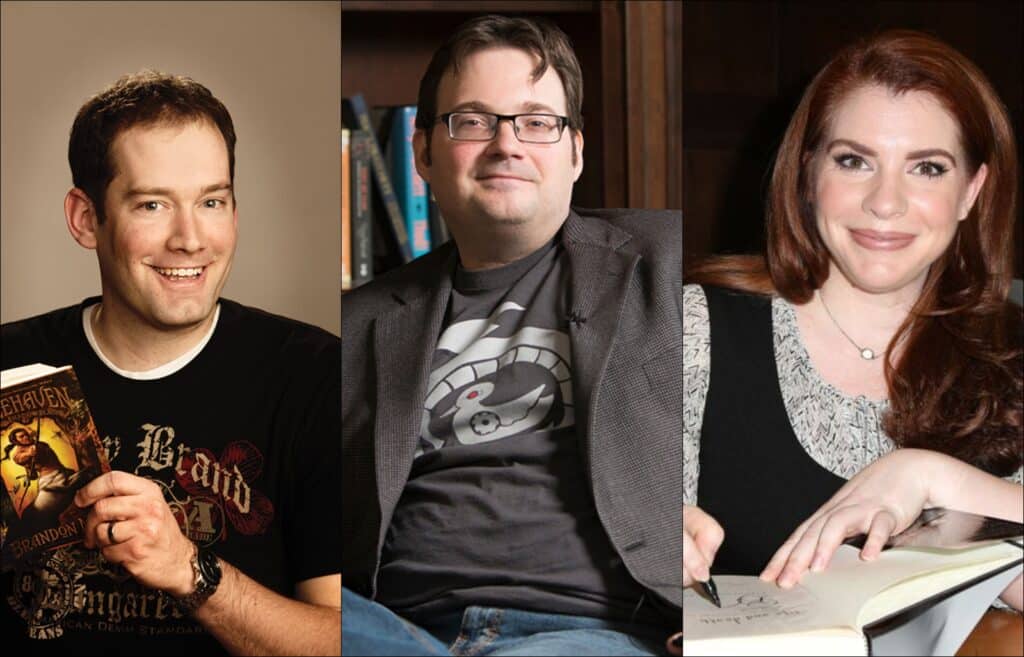
Many are under the false impression that bestselling writers simply sit down, write a book, and sell millions; others mistakenly think that great writers are “born.” In reality–as you may very well know by now–writing a professional-level story isn’t something that just “happens.” It’s a craft. This also means it’s a skill you can learn. […]
Considering Your Setting

Real vs. Fictitious Settings In mainstream literature, we typically deal with settings that either already exist or which have existed historically. Thus, when you write about the city of Chicago, it behooves you to do your research. If you say that there is a great sandwich shop on the corner of 25th and Regal, there […]
Writing Powerful Scenes, Part 7: Say Something!

Strong stories are built through meaningful scenes. Write stories that have meaning by tapping into subtext or theme, or by adding your own insight. Very often as a reader, I’ll come across a story that is well written in many regards: The characters have strong voices. The setting is energetically created. The action progresses in […]
Writing Powerful Scenes, Part 6: Novelty

Have you ever read a novel where the entire book lacked a single element that was original? Sure you have, lots of times. Whenever you begin to read in an established genre, you find that many novels are written as an homage to a well-known book. Thus, after Treasure Island was written as a serialized […]
The Secret Ingredients for Writing Theme

Many people in the writing community caution against writing with a theme in mind. They argue that if you do, your story will feel contrived, or worse, preachy. But this is only true if you don’t know what you are doing. And for many writers, unfortunately, that is exactly the case. Setting, characters, and plot […]
Writing Powerful Scenes, Part 5: Complexity

Once, I picked up a novel by a new writer and started to read. His scene construction looked fine at first glance: He had a character, in a setting, with a conflict, but the scene lacked luster. I asked him after I read it, “What was the purpose of that scene?” His answer was straightforward: […]
Writing Powerful Scenes, Part 4: Conflict

When writing strong scenes, conflict is key. If there is no conflict, the “scene” probably doesn’t contribute much to the story. Every story needs conflicts to drive it. You can write pieces that aren’t stories and that therefore have no conflict. We typically call these “slice of life” pieces or vignettes. They might simply be […]