
Writing with Authority
In judging some stories for a contest recently, I had to ask myself some tough questions. I found one story where I loved the concept

In judging some stories for a contest recently, I had to ask myself some tough questions. I found one story where I loved the concept

It takes money to make money. Often, new writers will ask, “How much money do you need in order to start a writing career?” The

Today I’m going to discuss a bit about what I call “grounding” the reader. Quite simply, grounding is the fine art of letting the reader know what is going on. In order to ground your reader, you need to focus on some basics: Who is in a scene? Where does it take place? What is the major conflict?

Unfortunately, there is so much covered under the umbrella of style and tone that it would take a good long book to deal with it. In fact, I’ve read several good books on the topic, and I can’t cover it all here. Choosing a writing style and tone is not a one time decision.

As we write, I suspect that we try to express the world as we see it. In other words, those who are emotionally dead inside will portray protagonists who are very much like themselves, while those who are emotionally charged will try to portray people with rich and powerful interior lives, and both can be a problem.

Tell the story from that person’s point of view. This is especially true if you have multiple protagonists, because it means that you will need to characterize those people by showing just how differently they relate to the world. Seeing the word through their eyes and being immersed in how that character thinks and feels, requires tightening your focus.


A hundred years ago, if a writer were discussing and writing fantasy, he would have used the term fantasy that way. Today, when discussing fantasy as a literary genre, we often are discussing a branch of literature.

When you write a story, it may seem to be about a character, in a particular setting, struggling to overcome a problem. But if that is all that your story is really about, it will fail. So what is your story really about?

Ideally, a publisher would like you to bring them in 1) quickly, 2) beautifully written, 3) and at a low price. This is why you need to learn to balance your productivity and art while writing. Balancing productivity and art takes practice and experience.

So how do you determine what the core is of your genre? I’ve heard this “core question” idea before, and it is true that there are certain questions that strike at the heart of just about any genre.

In Hollywood, it is said that “There are only two ways to make a likeable character.” Here are those two ways to help you with creating likable protagonists, plus a few more.

So you have written a book, maybe a novel. How do you start publishing it so readers will be able to find it? And why is it so hard and complicated? Because there is no perfect way in which to hack or game the publishing industry.

Discover actionable tips for writing a bestseller, building a huge audience, and marketing your book effectively. Learn how to craft a story that resonates with millions of readers.
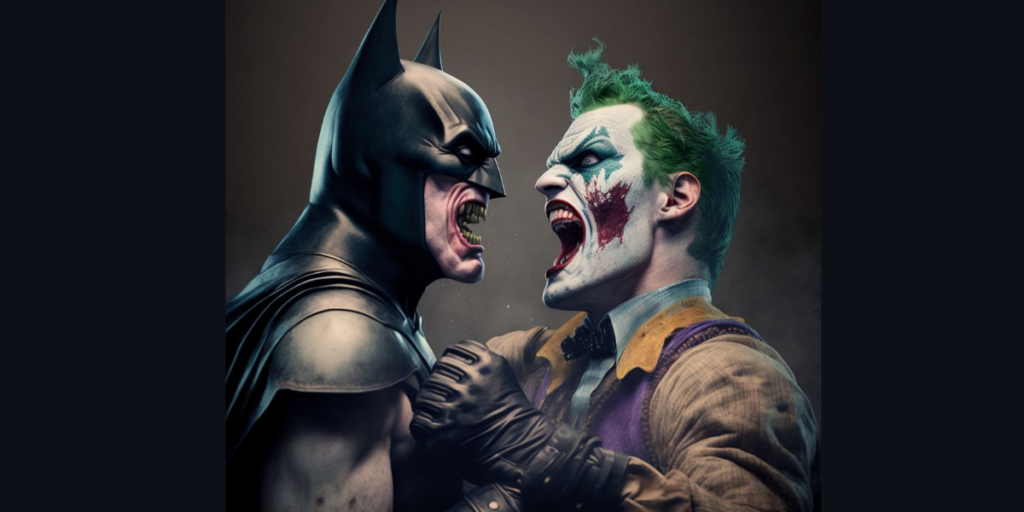
When you’re writing a novel, you will be creating heroes and anti-heroes. You may create a protagonist who is “heroic,” or one who is an “anti-hero.” But do you know the difference between the two?