
Making Magic Systems Better, Lesson 2
View previous lesson In the last lesson, I pointed out that most magic systems tend to be rather stale, that they don’t create a sense

View previous lesson In the last lesson, I pointed out that most magic systems tend to be rather stale, that they don’t create a sense
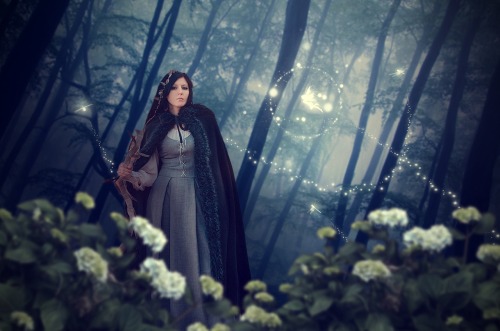
The most popular books and movies of all time all have one thing in common: They transport audiences better than other books and movies in their genre.

Over twenty-five years ago I began editing professionally. I began by doing volunteer work as an editor for literary magazines, but my first job was

Every writer today needs to begin creating a mailing list—a list of fans who are eager to learn about the author’s upcoming releases. These lists

Click here for part 1 and here for part 2. For the last couple of articles I’ve been talking about how to make your story

Recently I wrote about appealing to the senses and stated that humans have more than just the five sensory inputs that you learned in school.

Where do you go to dream? Do you have a place? This physical space is what I call and imaginarium. Some people do it in

Envision a reader picking up your novel. As she begins to read, she hopes to be transported into a story, one that is rich and detailed, one that takes her away from her own place and time. Now, as she reads, she may be sitting in her living room, while a turkey bakes in the oven, and a fan rotates overhead. She may have been worrying about her sister’s sick dog, and perhaps a sore throat.
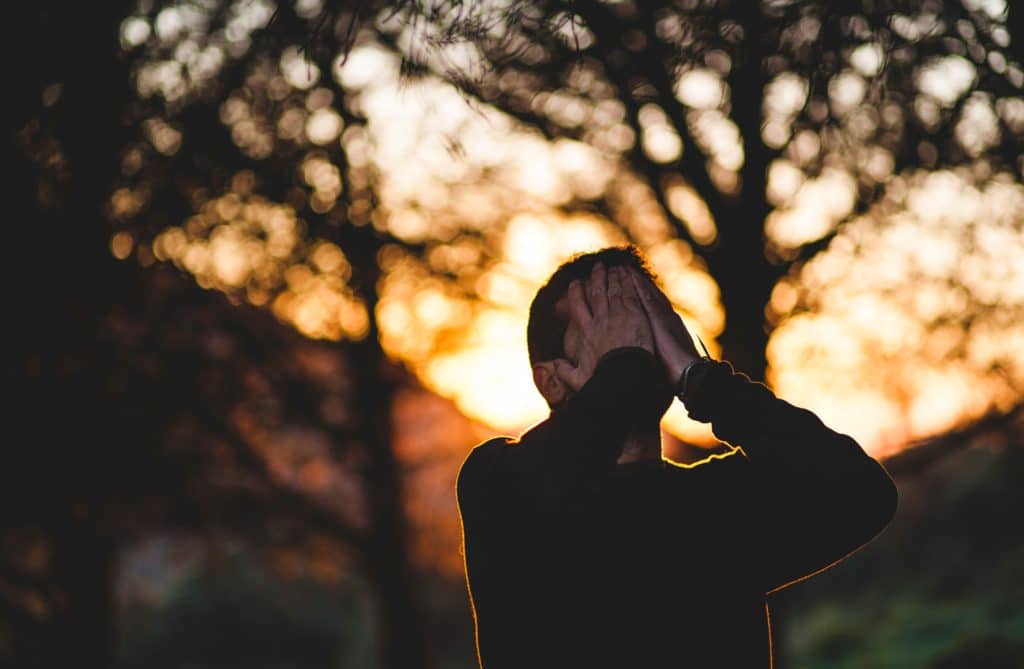
One form of writer’s block comes from being stressed. This is almost always a temporary condition, and there are ways to work around it, but

Very often I like to think of the writing worlds as a swamp. A big swamp infested with crocodiles and quicksand and rattlesnakes, and deep

A lot of people “play” at writing. We tend to think of it as a hobby or a pastime. But I sometimes wonder how much

I got this question once about writing large novels. We may all ask a variation of it, is my novel too long? How precise can

There is a myth among the general public that the greatest writers are born with uncanny innate talents that average folks dare not aspire to.

Whenever you have a story that seems too predictable, look for ways to add turning points. If a character is trying to figure out how to get from point A to point B, figure out how to force him to go to point C first. If he thinks that he understands someone else’s motivations or goals—say those of a lover or killer—surprise the reader with a twist that casts the story in a new light.

So how do you write a “hyper-real” scene?
There are several keys.
Select unconventional images to propel the scene forward.
Appeal to powerful emotions such as love, fear, anger, guilt, and so on.
Be careful to apply your poetic sensibilities to every line.
Make sure that you appeal to all of the senses.