
I wrote my million words of crap blissfully unaware of the “rules.” [My novella] was the first piece of writing I actually submitted to a traditional SFF market. That quarter I had an honorable mention.
I subscribed to Dave’s newsletter in May 2010 when it was still called Daily Kicks. Until then, I had written a lot, gotten rid of the head-hopping of my older stories, but still lacked in some departments. I was aware of my weaknesses (setting, anyone? Descriptions? *sigh*) and I kept experimenting while rewriting/translating my old stories (my mother tongue is Italian, I started writing prose in English around that time by translating my Italian works).
In 2014 I decided to write a story to submit to Writers of the Future – with Dave in mind, knowing he’d be in the panel of judges and trying to remember everything he said in his newsletters through the years.
This was a brand new story, set in my secondary fantasy world of Silvery Earth. The setting was inspired by India and Persia, the story was some kind of fantasy Zorro – as if Zorro was a real person, but well, you get the idea! – and I made sure to try to put all the five senses in my descriptions and settings, or at least in the opening.
I am a “visual” writer, meaning I see a movie unfolding in my head and try to put it on paper. That’s one of the reasons why the first things I wrote in English were screenplays, but my attempted conquest of Hollywood didn’t go very far. So I went back to prose, but still had trouble trying to fit smell and touch and taste in my stories. I can hear the dialogs fine, I can see the characters, but showing everything to the reader is another matter altogether!
I’m not young either, although I still qualify for WotF. I wrote my million words of crap blissfully unaware of the “rules.” So when I switched languages, I had a double learning curve – finding my voice in a second language while staying true to my original voice and applying all the bits and tricks I had learned along the way. And since I was reading so much in English, I ended up with new stories that were “born” in English.
The Hooded Man was like that – half-Zorro, half-Robin Hood, with Hindi and Urdu words thrown in from my Bollywood obsession. The Goddess Zindagi – whose symbol is, of course, a Z, but not of our alphabet – came from hearing that word too often in Bollywood movies. I knew it meant “life,” so I consulted with my friend and cover artist (and also winner of a honorable mention with one of her stories in another year and another quarter) Shafali Anand who revealed it’s actually an Urdu word. Obviously the Hindi film industry (a.k.a. Bollywood) uses a lot of words from its sister language!
Anyhow, I wrote that story and sent it out to betas, revised, sent to a proofreader and submitted it to the contest, since it’s a novella and there aren’t many markets for such long-but-short pieces. It was the first piece of writing I actually submitted to a traditional SFF market. And I tried to forget about it as I kept writing my stories of Silvery Earth.
That quarter I had an honorable mention and now have my cute “diploma” with Dave’s signature on it. It was a double success for me, since I was starting to think nobody in the SFF field liked my stories… so receiving an honorable mention from Writers of the Future made me go jumping around for joy. I was learning! I’d win eventually, or make a professional sale!
I won’t stop sending short stories and novellas to contests and magazines. I’m also an indie author, so after a certain number of rejections, I end up publishing the stories myself (you can find The Hooded Man as an e-book on all major retailers).
But writing that story was a first for many things – remembering the teachings, making up new stuff, submitting it somewhere, and it even won a mention! That was my biggest victory. So I’d like to give a very special thanks to Dave Farland for his newsletter so full of good advice for us writers in this strange new world of publishing!
Helpful Links
David Farland’s #WritingTip Newsletter
Writers of the Future Contest
Connect with Barbara G. Tarn
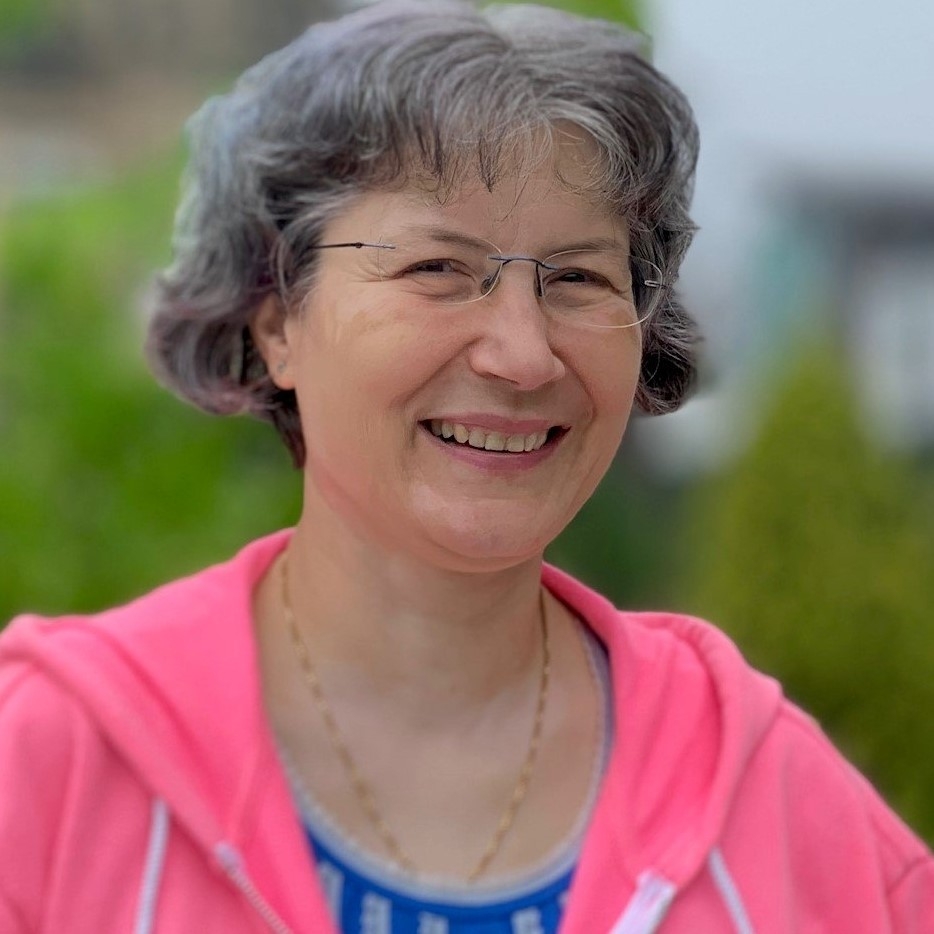
Barbara G.Tarn had an intense life in the Middle Ages that stuck with her through the centuries. She prefers swords to guns, long gowns to mini-skirts, and even though she buried the warrior woman, she deplores the death of knights in shining chainmail. She likes to think her condo apartment is a medieval castle, unfortunately lacking a dungeon to throw noisy neighbors and naughty colleagues in. Also known as the Lady with the Unicorns, she prefers to add a touch of fantasy to all her stories, past and present – when she’s not wandering in her fantasy world of Silvery Earth or in her Star Minds futuristic universe. She’s a writer, sometimes artist, mostly a world-creator and storyteller. Her stories comprise shorts, novels and graphic novels. Her novella “The Hooded Man” received an Honorable Mention at the Writers of the Future contest. Used to multiple projects (a graphic novel is always on the side of the prose), she writes, draws, ignores her day job and blogs at: http://creativebarbwire.wordpress.com
Barbara’s Links:
Amazon
Smashwords
Website
Blog
Goodreads
Facebook
MyStoryDoctor Success Stories: Each month we bring you a writing success story. Have one of your own you would like to share? Let us know you are interested in the comments.
MyStoryDoctor Success Stories: Each month we bring you a writing success story. Have one of your own you would like to share? Let us know you are interested in the comments.