The Most Important Book You’ll Ever Write

The Most Important Book You’ll Ever Write

“A little effort applied consistently will lead to massive outcomes eventually.”—Dr. Richard Whitehead

Yesterday I was listening to the pre-game show for the Superbowl, and some commentators were discussing what it is like to be in “the most important game of your life.” They talked about how the player’s nerves were affected and how difficult it is to “settle down and play.”

At the same time, I was plotting a new series of stories for a television series and seeking ways to deepen my own game, and I wondered, “What is the most important book you’ll ever write?”

The answer seemed obvious: for most of us, it’s “the next one,” the novel you’re working on right now. That’s the book that you have to focus on. That’s the one that you have to make shine for your critics and your fans.

I noticed years ago that if you write a great first novel, the critics will go crazy about it. You may get dozens of reviews in major magazines, generate a huge amount of word-of-mouth publicity, and even find yourself in the hunt for awards. But if your second book is weaker, if your readers suspect that you’re “taking a step backwards,” your readership will dissipate.

Instead of having a dozen critics arguing about how great you are, no one will review your second novel. They’ll assume that your first success was just a fluke, and they’ll abandon you—as will your readers.

On the other hand, if you really work hard to deliver something special in your second book, the critics will recognize that you’re someone who must be watched. The critics and fans will begin seeking out your work, wondering what you’ll deliver next.

By the time that you reach your third book, if it too shows improvement, you’ll have proven it in the minds of your readers. You’ll have developed a reputation for consistently pushing the envelope, of being a quality writer—not just a quantity writer.

You need to maintain and build a pattern of success.

That’s why the most important novel you’ll ever write is the one you’re working on right now. You can never deliver a second-rate effort.

At the same time, you shouldn’t let yourself get too stressed about any book. Too much stress can damage your creativity. You have to learn to apply a generous amount of effort consistently, always seeking out new ways to deepen your stories and dazzle readers.

When you’re a writer, every day can feel just a bit like it is your own personal Super Bowl Sunday.


***

Frozen Orbit

Patrick Chiles is an incredible author, and one that I’ve had the great pleasure of working with. His first novel for Baen Books, FROZEN ORBIT, was released last month.  It is one definitely worth checking out especially if you are a sci-fan!

Here’s the link:

https://www.amazon.com/Frozen-Orbit-Patrick-Chiles-ebook/dp/B0821R89Q1

Runelord’s Board Game

If you or someone you know loves to play board games, then I’ve got excellent news! I’ve been collaborating with Red Djinn Productions to create a board game based on my best selling fantasy series The Runelords. It is now available for backing on Kickstarter and it looks amazing! You can back it here: bit.ly/therunelords.


Life, The Universe, and Everything

I’ll be teaching a one-day workshop called “Steps to Becoming a Bestseller” on February 12 at Life, The Universe, and Everything.

Here is a link: https://www.eventbrite.com/e/life-the-universe-and-everything-symposium-2020-registration-54893635341

You will need to click on register and scroll down the page to see the information.

Creating the Perfect Cast

I’m putting on a workshop called “Creating the Perfect Cast.”

This workshop will be held from Thursday, Feb 27 through Saturday Feb 29, 2020 in Provo, Utah. Check it out here: http://mystorydoctor.com/live-workshops-2/

Leave a Reply

Did you like this writing tip?
Click below to share with your friends

Related Posts
how to get a book published
David Farland

How to Get a Book Published 

Are you looking to publish a book? Let me tell you how to get it done.  Today, there are two paths to publishing: traditional publishing and self- (or independent) publishing.  

READ THIS POST
david farland jackie chan
David Farland

How to Build a Better Outline For Your Novel

You probably wouldn’t sink a million dollars into building a home without a blueprint. You certainly wouldn’t begin creating something as intricate as a cathedral without detailed plans. So why would you sink a year or two into composing a novel without plotting it?

READ THIS POST
how to write a short story
David Farland

How to Write a Short Story

As lead judge to the world’s largest competition for sci-fi and fantasy short fiction, David Farland can tell you exactly how to write a short story that’s a winner. The

READ THIS POST
how to write a book
David Farland

How to Write a Book

If you aren’t excited about a novel, chances are excellent that you’ll lack the energy to finish it. Your subconscious will rebel at the idea, and you’ll just go through the motions, wishing that you were working on another project. So you have to find story ideas that thrill you. You have to write from the heart.

READ THIS POST
How to write a book
David Farland

How to Write Your First Five Pages

How to Write Your First Five Pages:
1. From the very first sentence, I want to see that you’re not just a competent writer, but a skillful one.

I want to see that you have a way with words, so that I feel as if I’m in the hands of a professional storyteller. That means that I won’t feel confused, and I won’t get tripped up by typos or beginner’s mistakes. Indeed, I want to see that you’re talented right from the first sentence. Half of the editors and agents say that they look for a great voice right out the gate, whether it be the voice of the narrating character or of the author.

READ THIS POST
A colorful light bulb in front of interlocking red, yellow, and blue gears, symbolizing creativity and productivity working together.
Tammy Burke

Brainstorming for Stories: How to Turn Sparks into Worlds

Brainstorming is one of the most magical—and challenging—parts of being a writer. Ideas may arrive in a rush or drip in slowly, but either way, they form the first threads of story. The truth? Waiting for inspiration won’t always serve you. Instead, the key is to explore how to spark fresh ideas from familiar tropes, surprising “what ifs,” and creative collisions. Originality doesn’t mean inventing something brand new—it means putting your unique spin on timeless patterns so readers experience them as both familiar and exciting.

READ THIS POST
A figure in a bright red cloak walks across a black-and-white field toward a tree whose shadow stretches long across the ground. The word “Foreshadowing” appears in dark red letters to the right.
Tammy Burke

Foreshadowing in Writing:

Foreshadowing is the art of planting clues that make your story’s twists feel both surprising and inevitable. Learn the different types of foreshadowing, strategies for layering clues, and how to test your twist so it hits the perfect balance.

READ THIS POST
Stone statue of a robed woman, captured against a dramatic sunrise sky with soft orange and blue clouds, symbolizing inspiration and waiting.
Special Guest

Why Your Writing Muse Isn’t Your Friend

Too many writers wait for the writing muse to return, convinced that inspiration is the only way forward. But waiting keeps you stuck, staring at the page. The truth? Momentum is born not from longing, but from action. Start writing, and the muse may find you already at work.

READ THIS POST
No more posts to show

Wait, before you go… Be sure to grab a FREE copy of Dave's Proven Writer Tips for 100 Days!

Daily meditations Writer Tips for 100 days book image

Enter your name and email below to get it delivered straight to your inbox!

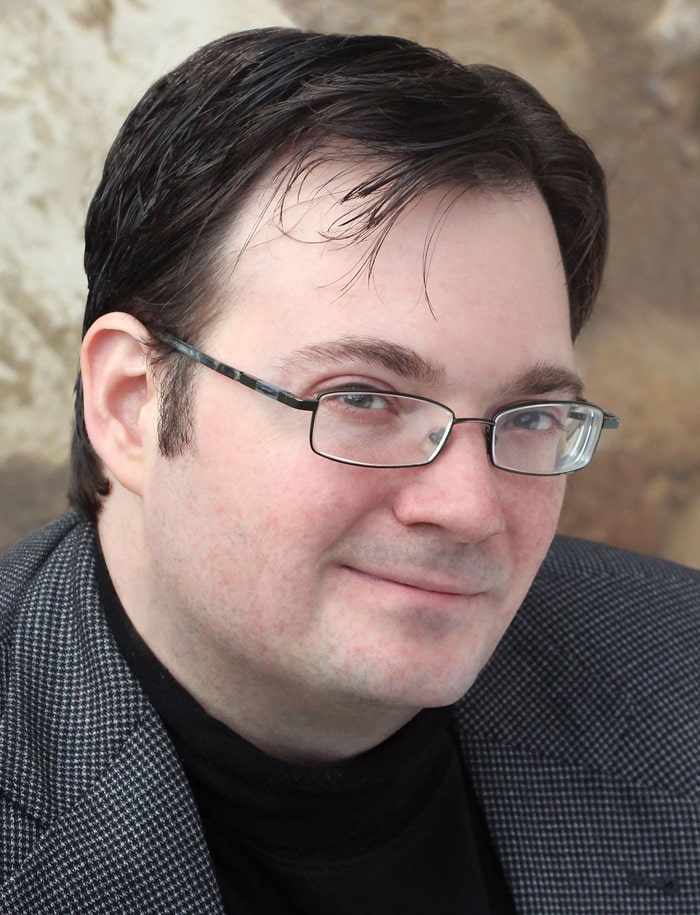
Brandon Sanderson
Brandon Sanderson#1 New York Times bestselling author of The Way of Kings and Mistborn
Read More
"I still use the writing techniques he discussed, and constantly reference him and his instruction when I teach creative writing myself. . . His explanations led me directly to getting an agent, and subsequently, my first book deal."