What’s Good Writing?

What’s Good Writing?

What’s “good” writing? Is it writing that wins awards? Is it writing that makes you a lot of money? Is it writing that simply makes people care about one another, teaching them empathy, or does it need to serve some higher moral purpose, like advocating change for good.

It’s easy to get confused.

Last week I heard from a young writer who had written several books and self-published them, but he said that he looked at his books one day and realized that they “weren’t really written to professional standards,” so he took them offline and decided to start over. He wanted to write books of higher literary quality, and so he rededicated himself to his craft.

It reminded me of a woman that I’d met last year. She’d started publishing romance novels and had made a lot of money with books that she described as being more pretty racy erotica, until she looked at the impact of what she was doing and realized that her fiction was “deeply immoral,” and so she took her books down with the goal or writing books that helped teach people the proper way to love.

In the examples above, one writer aspired to higher craftsmanship, another to writing stories that showed the more-noble elements of love.  In short, there are a lot of ways for writing to be “good.”

Yet people get confused. Some people think that if you want to write good stories, your characters need to be saints. But you can tell great stories about deeply flawed people. Shakespeare did it in Hamlet. We saw it again with the television show “Breaking Bad.”

And you can tell bad stories about good people, exposing their minor faults and waving them around like dirty underwear as you seek to trash them.

But the question is, what is it that you want from your writing? Do you just want to make loads of money, or at the end of your days do you want to look at your work and realize that you did some good in the world?

I can think of dozens of ways that as writers we can serve the world. As nonfiction writers, we can uncover what is going on in the world and reveal uncomfortable truths. As mainstream novelists, we might show the world in all of its glorious imperfections and ask penetrating questions that make readers think. As humorists, we can elevate our readers’ moods. As novelists we can ease people’s burdens while entertaining them and teaching them to care about others.

This has been a traumatic week. So on tonight’s Apex call, I want to take some time to talk about how we as writers might be able to use our powers for good, and put an end to racism in America. It’s a big topic, one that I hope other writers will consider carefully.

Lately, my personal motto has been, “Do good each day until you are exhausted. Then go to sleep, rest, and then get up and do it again.”

Hopefully, with tonight’s call, we can learn some ways to affect lasting changes.

 
_______________________________
Dave has two new Workshop “David Farland’s Ultimate writing workshop” and an “Epic Novel Writing Workshop”. Check them out here ” http://mystorydoctor.com/live-workshops-2/

It is not too late to join Apex! Tonight we are discussing how to fight racism through with our writing. You can apply to be a Apex writer by emailing us at Apexwriter@Xmission.com

Rob Sawyer has a new book out “The Oppenheimer Alternative”! https://www.amazon.com/Oppenheimer-Alternative-Robert-J-Sawyer-ebook/dp/B084H26X5S/ref=sr_1_1?crid=12RKY3OQ5C0WI&dchild=1&keywords=the+oppenheimer+alternative&qid=1591141475&sprefix=the+oppen%2Caps%2C205&sr=8-1

Here is a cool kick starker to back. “Essoe’s Guides to Writing: Action Sequences & Sex Scenes!”rhttps://www.kickstarter.com/projects/joshuaessoe/action-sequences-and-sex-scenes?fbclid=IwAR2Jfhnk3t-g8TzPjqMCGqsstH4lmvlOqD2vkqx0GbI5yyt1WhpbvpwZHPI

Leave a Reply

Did you like this writing tip?
Click below to share with your friends

Related Posts
how to get a book published
David Farland

How to Get a Book Published 

Are you looking to publish a book? Let me tell you how to get it done.  Today, there are two paths to publishing: traditional publishing and self- (or independent) publishing.  

READ THIS POST
david farland jackie chan
David Farland

How to Build a Better Outline For Your Novel

You probably wouldn’t sink a million dollars into building a home without a blueprint. You certainly wouldn’t begin creating something as intricate as a cathedral without detailed plans. So why would you sink a year or two into composing a novel without plotting it?

READ THIS POST
how to write a short story
David Farland

How to Write a Short Story

As lead judge to the world’s largest competition for sci-fi and fantasy short fiction, David Farland can tell you exactly how to write a short story that’s a winner. The

READ THIS POST
how to write a book
David Farland

How to Write a Book

If you aren’t excited about a novel, chances are excellent that you’ll lack the energy to finish it. Your subconscious will rebel at the idea, and you’ll just go through the motions, wishing that you were working on another project. So you have to find story ideas that thrill you. You have to write from the heart.

READ THIS POST
How to write a book
David Farland

How to Write Your First Five Pages

How to Write Your First Five Pages:
1. From the very first sentence, I want to see that you’re not just a competent writer, but a skillful one.

I want to see that you have a way with words, so that I feel as if I’m in the hands of a professional storyteller. That means that I won’t feel confused, and I won’t get tripped up by typos or beginner’s mistakes. Indeed, I want to see that you’re talented right from the first sentence. Half of the editors and agents say that they look for a great voice right out the gate, whether it be the voice of the narrating character or of the author.

READ THIS POST
A colorful light bulb in front of interlocking red, yellow, and blue gears, symbolizing creativity and productivity working together.
Tammy Burke

Brainstorming for Stories: How to Turn Sparks into Worlds

Brainstorming is one of the most magical—and challenging—parts of being a writer. Ideas may arrive in a rush or drip in slowly, but either way, they form the first threads of story. The truth? Waiting for inspiration won’t always serve you. Instead, the key is to explore how to spark fresh ideas from familiar tropes, surprising “what ifs,” and creative collisions. Originality doesn’t mean inventing something brand new—it means putting your unique spin on timeless patterns so readers experience them as both familiar and exciting.

READ THIS POST
A figure in a bright red cloak walks across a black-and-white field toward a tree whose shadow stretches long across the ground. The word “Foreshadowing” appears in dark red letters to the right.
Tammy Burke

Foreshadowing in Writing:

Foreshadowing is the art of planting clues that make your story’s twists feel both surprising and inevitable. Learn the different types of foreshadowing, strategies for layering clues, and how to test your twist so it hits the perfect balance.

READ THIS POST
Stone statue of a robed woman, captured against a dramatic sunrise sky with soft orange and blue clouds, symbolizing inspiration and waiting.
Special Guest

Why Your Writing Muse Isn’t Your Friend

Too many writers wait for the writing muse to return, convinced that inspiration is the only way forward. But waiting keeps you stuck, staring at the page. The truth? Momentum is born not from longing, but from action. Start writing, and the muse may find you already at work.

READ THIS POST
No more posts to show

Wait, before you go… Be sure to grab a FREE copy of Dave's Proven Writer Tips for 100 Days!

Daily meditations Writer Tips for 100 days book image

Enter your name and email below to get it delivered straight to your inbox!

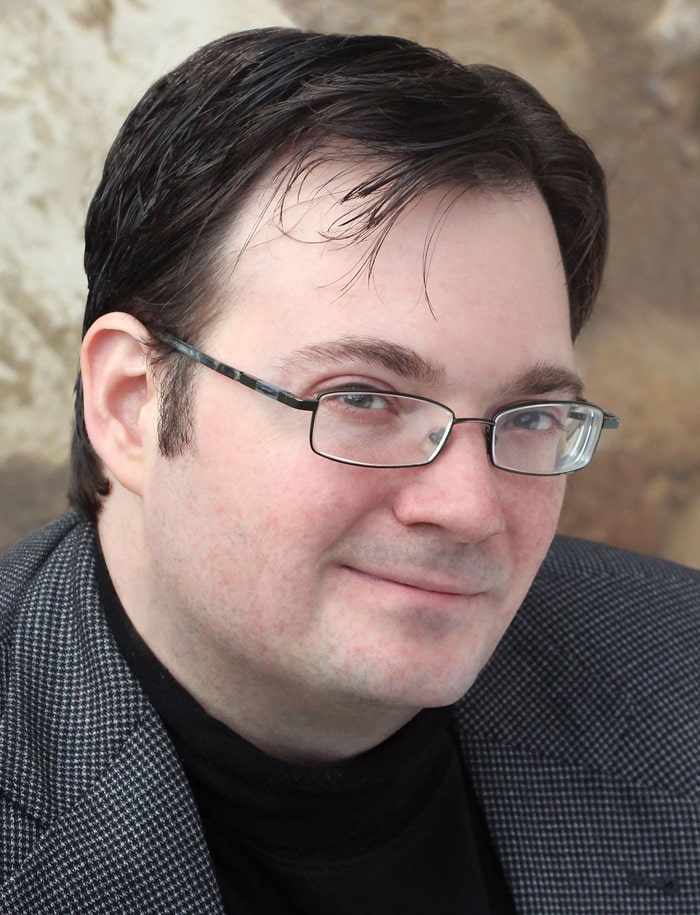
Brandon Sanderson
Brandon Sanderson#1 New York Times bestselling author of The Way of Kings and Mistborn
Read More
"I still use the writing techniques he discussed, and constantly reference him and his instruction when I teach creative writing myself. . . His explanations led me directly to getting an agent, and subsequently, my first book deal."