Warning: Trying to access array offset on false in /home/466973.cloudwaysapps.com/mjwqfrwdeq/public_html/wp-content/plugins/elementor-pro/modules/dynamic-tags/tags/post-featured-image.php on line 39

Warning: Trying to access array offset on false in /home/466973.cloudwaysapps.com/mjwqfrwdeq/public_html/wp-content/plugins/elementor-pro/modules/dynamic-tags/tags/post-featured-image.php on line 39

Warning: Trying to access array offset on false in /home/466973.cloudwaysapps.com/mjwqfrwdeq/public_html/wp-content/plugins/elementor-pro/modules/dynamic-tags/tags/post-featured-image.php on line 39

Warning: Trying to access array offset on false in /home/466973.cloudwaysapps.com/mjwqfrwdeq/public_html/wp-content/plugins/elementor-pro/modules/dynamic-tags/tags/post-featured-image.php on line 39
Who Should Greenlight What Gets Published Or Consumed? – David Farland | Proven Writing Tips

Who Should Greenlight What Gets Published Or Consumed?


Warning: Trying to access array offset on false in /home/466973.cloudwaysapps.com/mjwqfrwdeq/public_html/wp-content/plugins/elementor-pro/modules/dynamic-tags/tags/post-featured-image.php on line 39

For today’s writing tip, I asked if I could repost a blog article by Brian Feinblum from the BookMarketingBuzzBlog. I read it Sunday, and I think Brian really nailed it. Thanks Brian.

If you look at the entertainment industry, you realize how often mistakes are made in deciding which content should get green-lighted, from movies, television shows, and music albums to toys, books, and theater. So what does it mean if the so-called experts – the book publishers, big movie houses, and giant record labels — stink at predicting commercial success?

The lesson learned should be that plenty of things that get released to the marketplace fail for any number of reasons – misreads of consumers, simply too much competition, the product wasn’t as good as the concept, something changed in society from the time a project was approved to when it came out, the people making decisions didn’t do their due diligence or shouldn’t even be in the positions they are in.

Additionally, many projects fail to get green-lighted for any number of reasons, including the fact that some in the position of making decisions don’t really know anything, are prejudiced, lack metrics to make good decisions, guessed wrong, approved of something that later turned out differently, or lack the intelligence, taste, experience, and acumen to properly make such important choices.

How many books never got published because a few editors or literary agents lacked the ability to see the talent in front of them? How many movie scripts or Broadway plays failed to get purchased only because a handful of decision-makers unfairly judged others by irrelevant standards?

Are we really seeing the best movies, plays and TV fare that could exist? Are we actually reading the best books that can be written? Is the music we listen to inferior to what could be produced?

I guess we’ll never know.

The good news is that more and more people, because of crowdfunding, lower entry costs, self-publishing, sponsors, and the Internet can get the project done. Any half-decent idea or concept can be turned into a play – movie – book – TV show – music album and have an opportunity to get exposure. But this creates a new problem – a flooding of free and inexpensive content that leaves consumers exhausted in trying to figure out what to consume, not to mention getting consumption-fatigue once choices are made on what to read, see, or listen to.

Everyone is a creative artist or writer. Is anyone a consumer? So much content is out there. The gate-keeper issue may be waning, but the issue of competition heats up. Whereas in the past, others narrowed down what consumers chose from, now we have so much choice that we can’t fathom nor properly assess all of these choices.

It’s like struggling to make a lot of money and then suddenly, once you are flush with cash, there’s nothing left to buy. Or it’s like being hungry and in a room full of food but not having a key to open the door to get the food. We’re so close to creating nirvana for creative people but we’re drowning in all of these creations.

If the answer is not “bring back the gatekeepers,” it should be “bring back the news media.”

We need qualified people to inform us of the books that are worthy of our attention. Amazon book reviews, author blog posts, or celebrity tweets aren’t enough. Traditional media reviews too few books. Even if a reliable source were to review 3,000 books a year (60/week), that reflects only less than 1% of what traditional publishers release in a year. Self-publishing and POD may even publish double that.

Only when we create some type of master system, where every single book is catalogued, reviewed by a singular standard, and made available to everyone will we have a fair, useful, and ethical system. Until then, we’re only as informed as the books we know exist, let alone have time to read.

***

In honor of Christmas, we are opening up registration for my online writing workshops for a few days. Treat yourself or a loved one to one of my writing workshops for the holidays. After New Years, the workshops will be closed to registration.

Merry Christmas!

Leave a Reply

Did you like this writing tip?
Click below to share with your friends

Related Posts
how to get a book published
David Farland

How to Get a Book Published 

Are you looking to publish a book? Let me tell you how to get it done.  Today, there are two paths to publishing: traditional publishing and self- (or independent) publishing.  

READ THIS POST
david farland jackie chan
David Farland

How to Build a Better Outline For Your Novel

You probably wouldn’t sink a million dollars into building a home without a blueprint. You certainly wouldn’t begin creating something as intricate as a cathedral without detailed plans. So why would you sink a year or two into composing a novel without plotting it?

READ THIS POST
how to write a short story
David Farland

How to Write a Short Story

As lead judge to the world’s largest competition for sci-fi and fantasy short fiction, David Farland can tell you exactly how to write a short story that’s a winner. The

READ THIS POST
how to write a book
David Farland

How to Write a Book

If you aren’t excited about a novel, chances are excellent that you’ll lack the energy to finish it. Your subconscious will rebel at the idea, and you’ll just go through the motions, wishing that you were working on another project. So you have to find story ideas that thrill you. You have to write from the heart.

READ THIS POST
How to write a book
David Farland

How to Write Your First Five Pages

How to Write Your First Five Pages:
1. From the very first sentence, I want to see that you’re not just a competent writer, but a skillful one.

I want to see that you have a way with words, so that I feel as if I’m in the hands of a professional storyteller. That means that I won’t feel confused, and I won’t get tripped up by typos or beginner’s mistakes. Indeed, I want to see that you’re talented right from the first sentence. Half of the editors and agents say that they look for a great voice right out the gate, whether it be the voice of the narrating character or of the author.

READ THIS POST
A colorful light bulb in front of interlocking red, yellow, and blue gears, symbolizing creativity and productivity working together.
Tammy Burke

Brainstorming for Stories: How to Turn Sparks into Worlds

Brainstorming is one of the most magical—and challenging—parts of being a writer. Ideas may arrive in a rush or drip in slowly, but either way, they form the first threads of story. The truth? Waiting for inspiration won’t always serve you. Instead, the key is to explore how to spark fresh ideas from familiar tropes, surprising “what ifs,” and creative collisions. Originality doesn’t mean inventing something brand new—it means putting your unique spin on timeless patterns so readers experience them as both familiar and exciting.

READ THIS POST
A figure in a bright red cloak walks across a black-and-white field toward a tree whose shadow stretches long across the ground. The word “Foreshadowing” appears in dark red letters to the right.
Tammy Burke

Foreshadowing in Writing:

Foreshadowing is the art of planting clues that make your story’s twists feel both surprising and inevitable. Learn the different types of foreshadowing, strategies for layering clues, and how to test your twist so it hits the perfect balance.

READ THIS POST
Stone statue of a robed woman, captured against a dramatic sunrise sky with soft orange and blue clouds, symbolizing inspiration and waiting.
Special Guest

Why Your Writing Muse Isn’t Your Friend

Too many writers wait for the writing muse to return, convinced that inspiration is the only way forward. But waiting keeps you stuck, staring at the page. The truth? Momentum is born not from longing, but from action. Start writing, and the muse may find you already at work.

READ THIS POST
No more posts to show

Wait, before you go… Be sure to grab a FREE copy of Dave's Proven Writer Tips for 100 Days!

Daily meditations Writer Tips for 100 days book image

Enter your name and email below to get it delivered straight to your inbox!

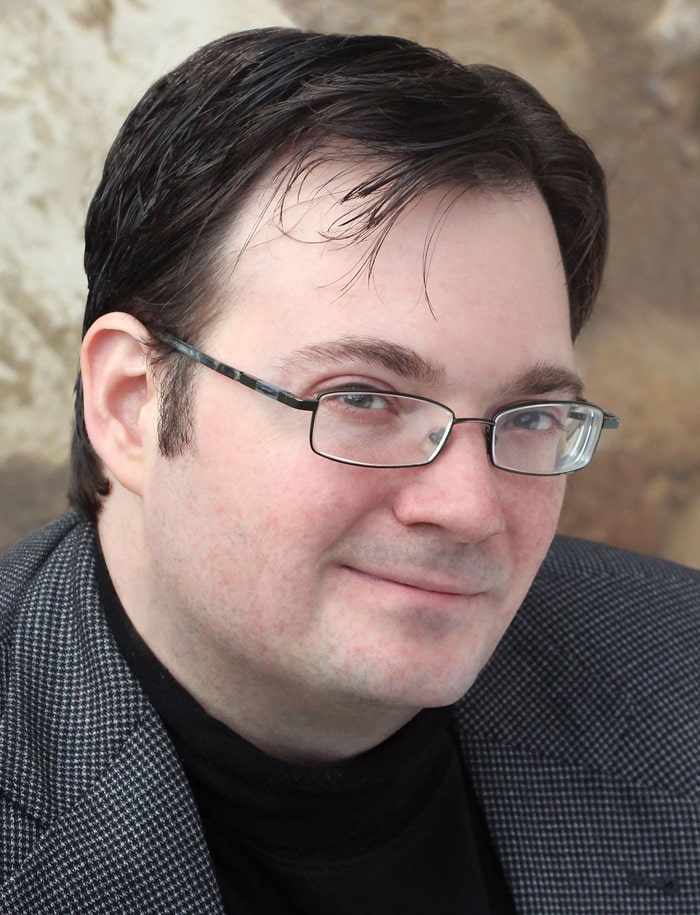
Brandon Sanderson
Brandon Sanderson#1 New York Times bestselling author of The Way of Kings and Mistborn
Read More
"I still use the writing techniques he discussed, and constantly reference him and his instruction when I teach creative writing myself. . . His explanations led me directly to getting an agent, and subsequently, my first book deal."